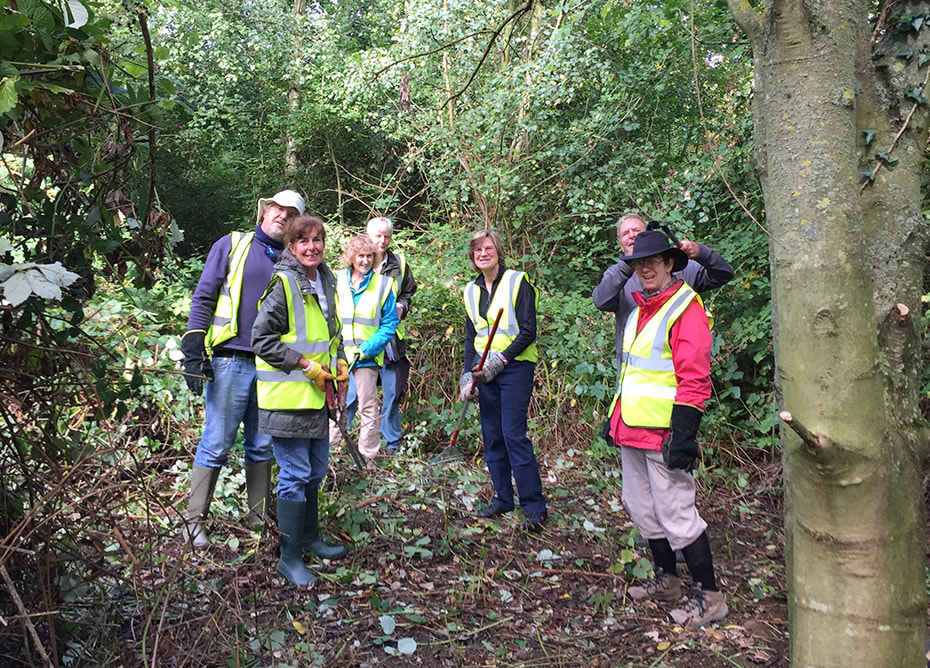
Hazel Coppice Project
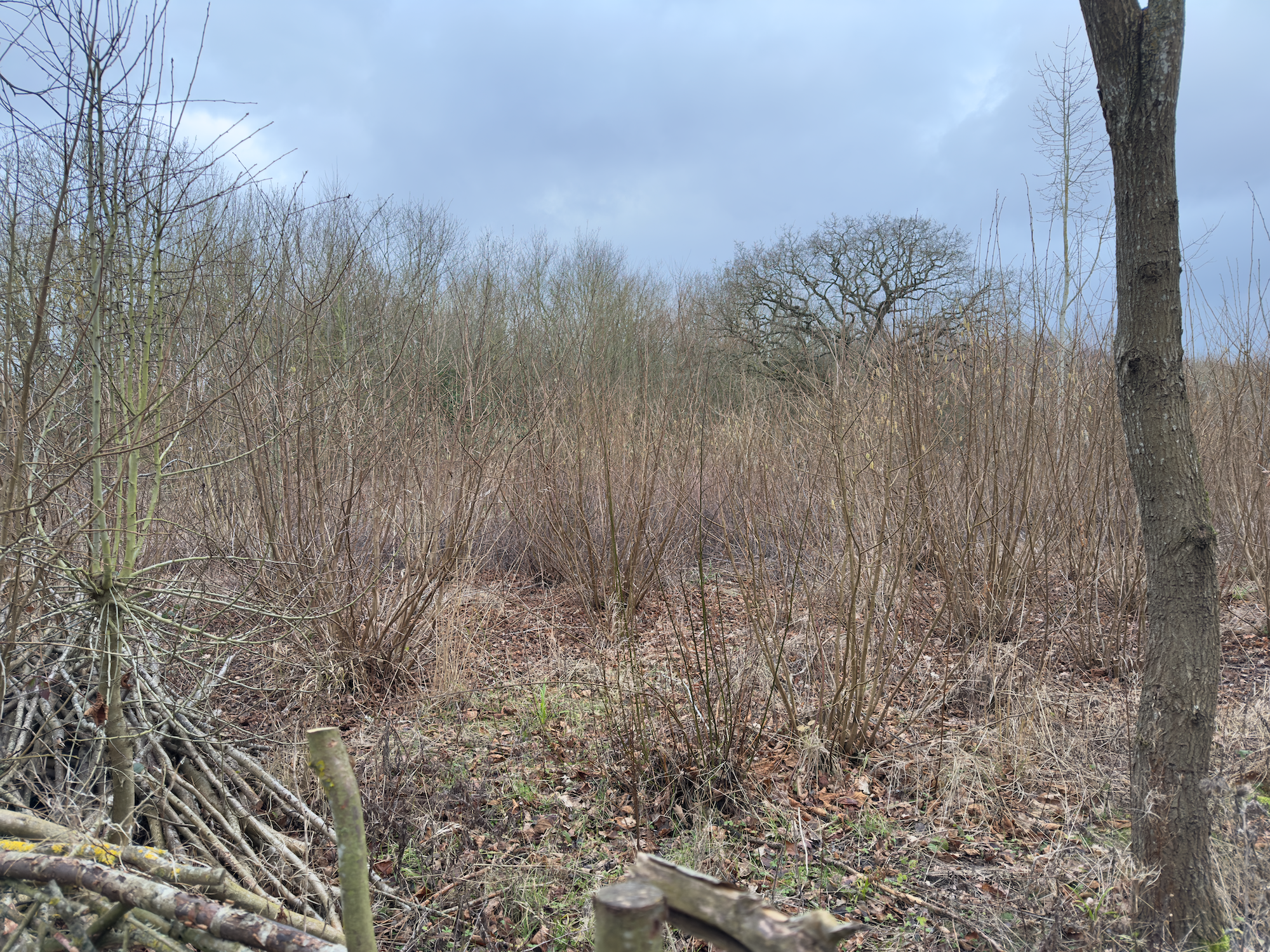
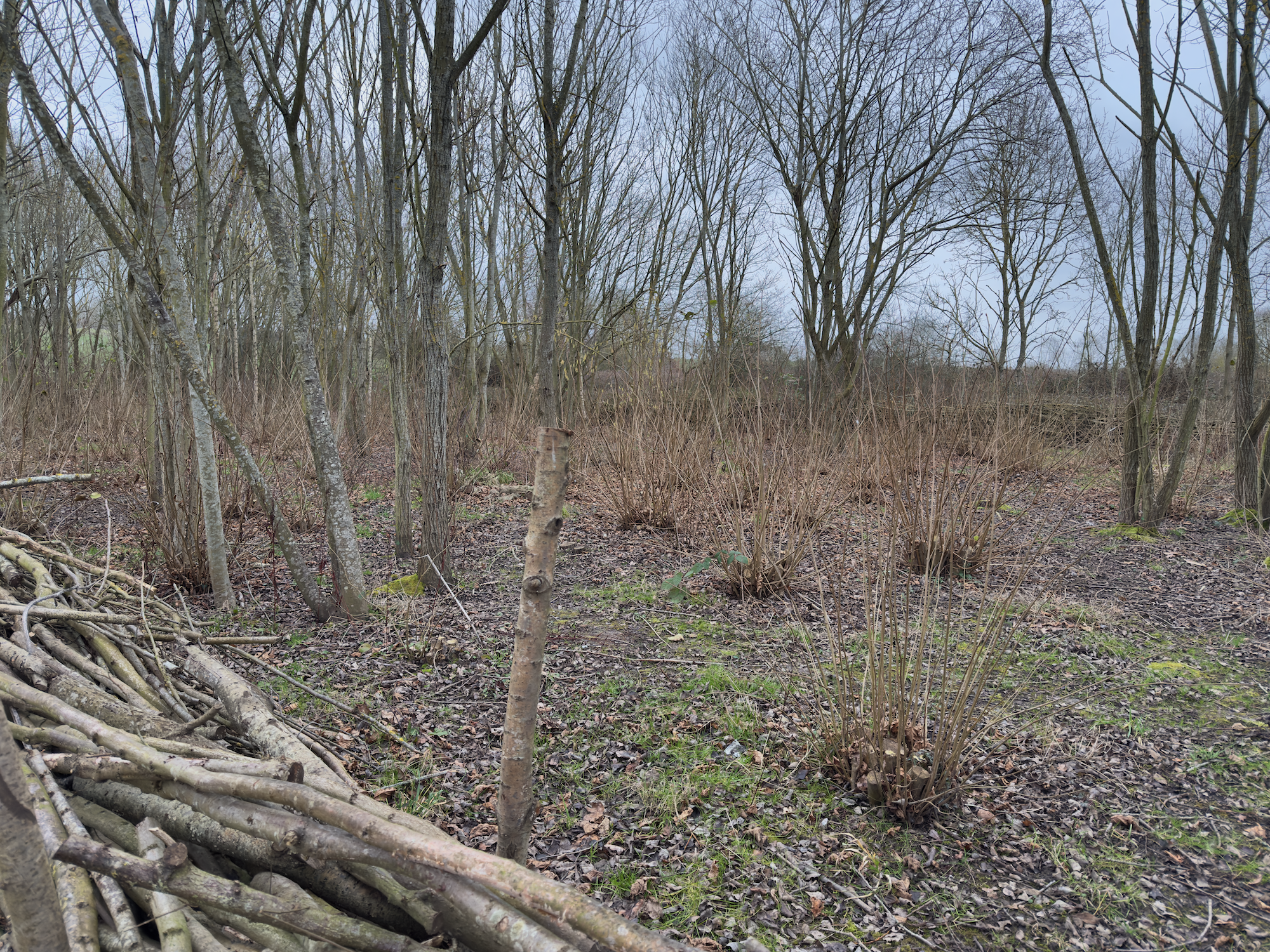
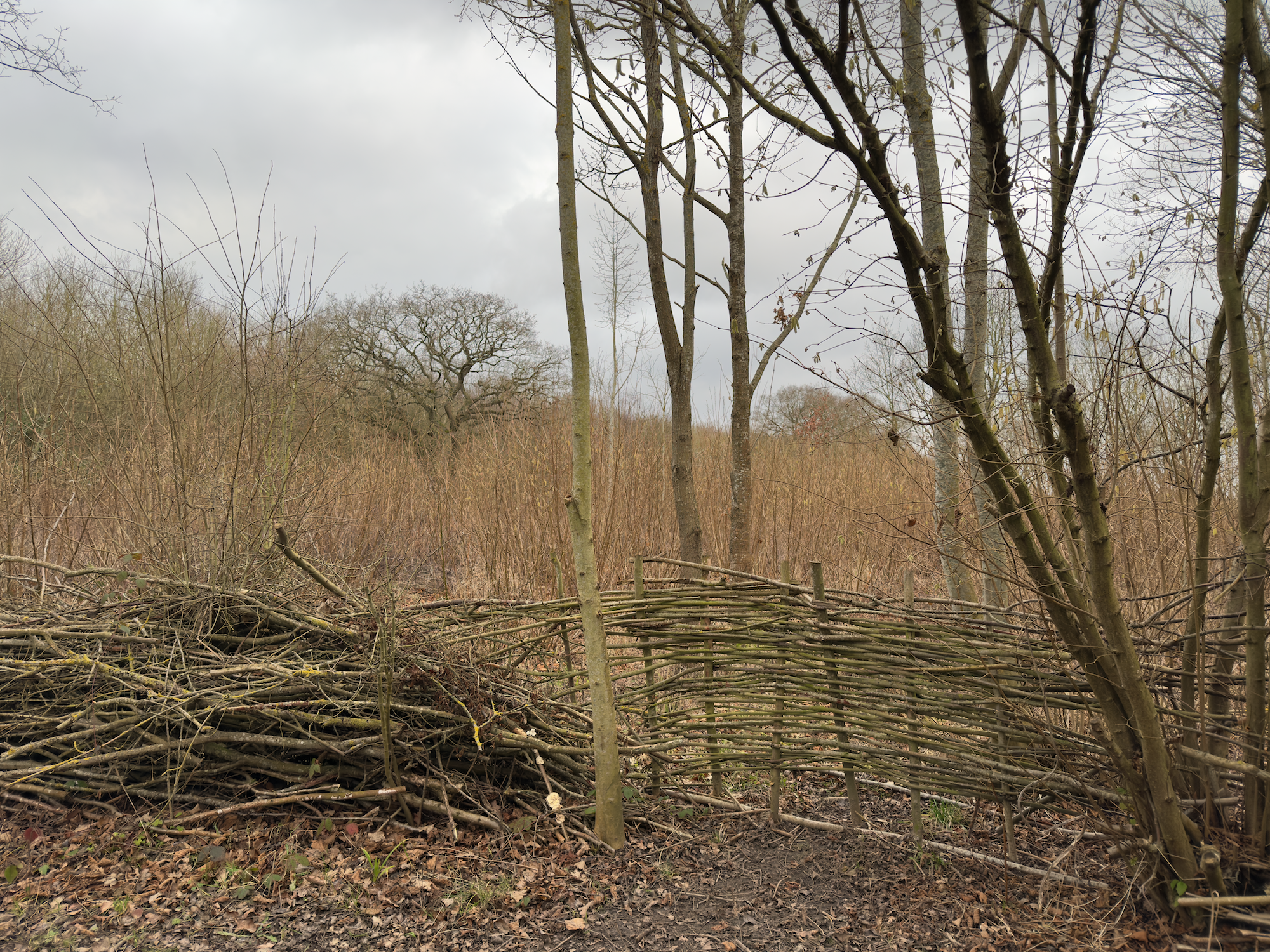
Photos taken February 2025
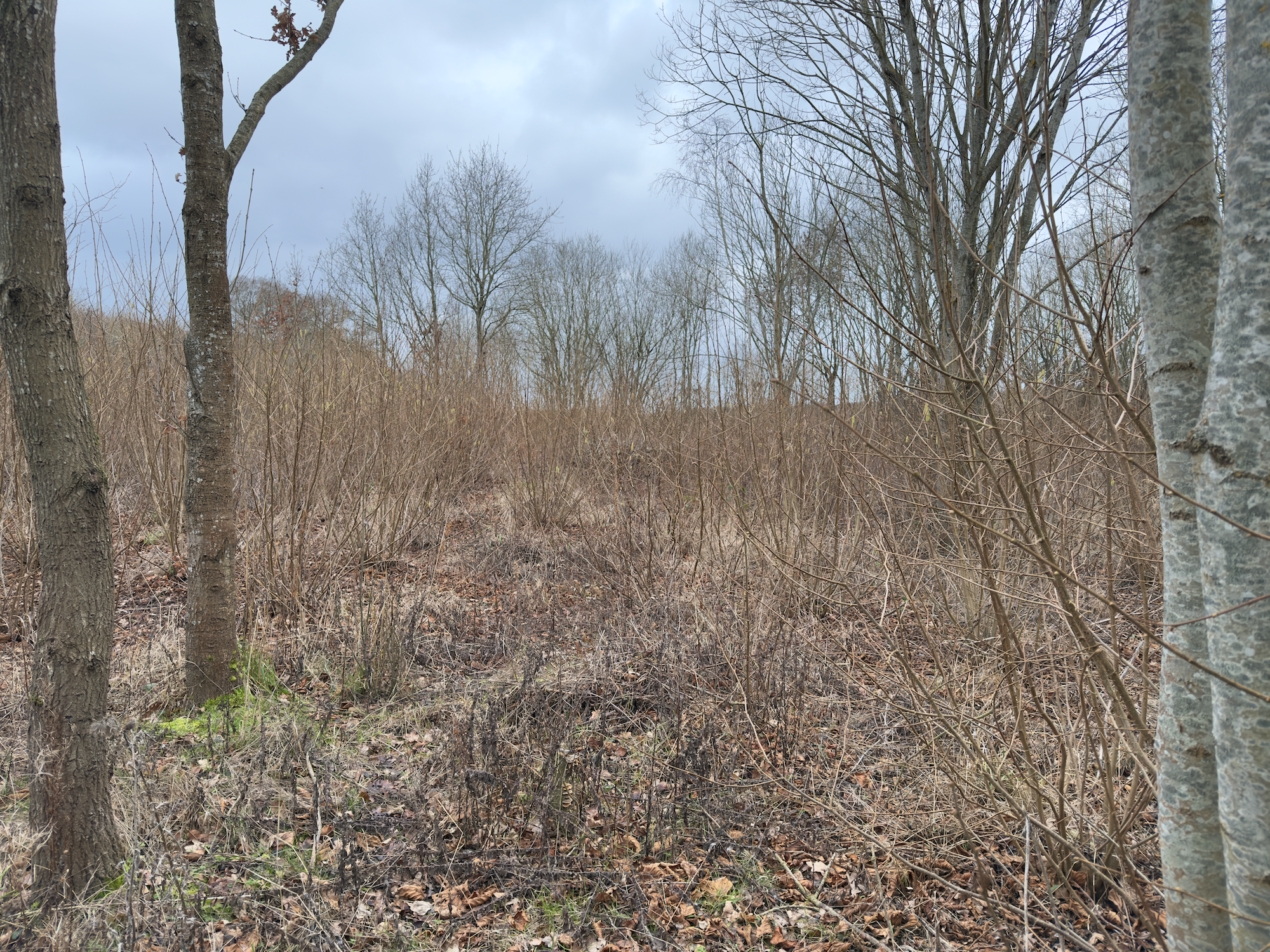
When Cherry Orchard Park was created, alongside the main plantations, approximately an acre of hazel with oak standards was planted in 2002, mid-point in the park, adjacent to the lake. (W3W dare.lamps.image)
It had been agreed at that time to manage the area as short rotation coppice with harvestingcycles averaging 5-7 years.
Habitat creation was the main focus. With the northern section of the site being adjacent to the river and liable to occasional flooding it lent itself to being a wet woodland. The southern side with its connectivity to existing ancient hedgerows would perhaps offer food and nesting opportunities for small mammals possibly dormice and birds such as warbler and nightingale.
The waste material from the coppice process was to be made use of by the Rochford District Council woodlands team. Hurdles, hedge stakes, thatching spars, bean poles and pea sticks are just some of the produce that was to be made demonstrating to the community hazel’s capacity
as a versatile natural product. Sadly, the industries and crafts that use it are in decline or have been lost.
Wild woods day was an opportunity to showcase Rochford’s woodlands and their importance to the area’s heritage and people and although successful in doing so the size and cost of staging such an event proved prohibitive for it to continue. Perhaps in the future a more woodland focused small-scale event could take its place?
Some years later, with the formation of the Friends of Cherry Orchard Country Park Conservation Volunteers, came an
opportunity to bring the community and its woodlands together again. It was hidden there, in the tangled briar of the now long over stood hazel copse.
With support from RDC, and the volunteers being guided by Richard Bond of Canopy Conservation, a planned coppice cycle was agreed and work on the first coupe began in the winter of 2021/22. The western and eastern outer edges of the site would be left as older coppice and thus give some protection from prevailing wind and connectivity to adjacent hedgerows.
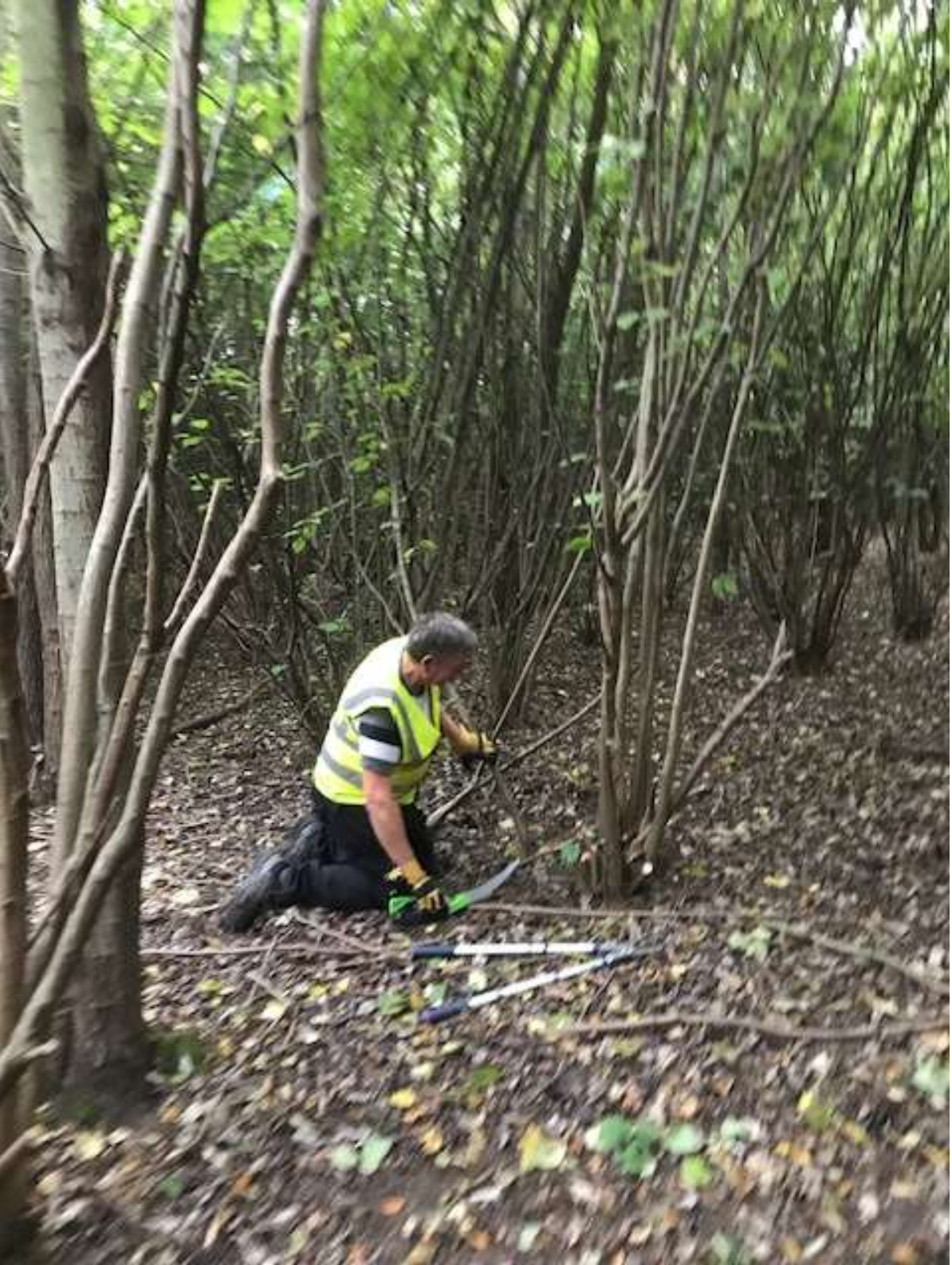
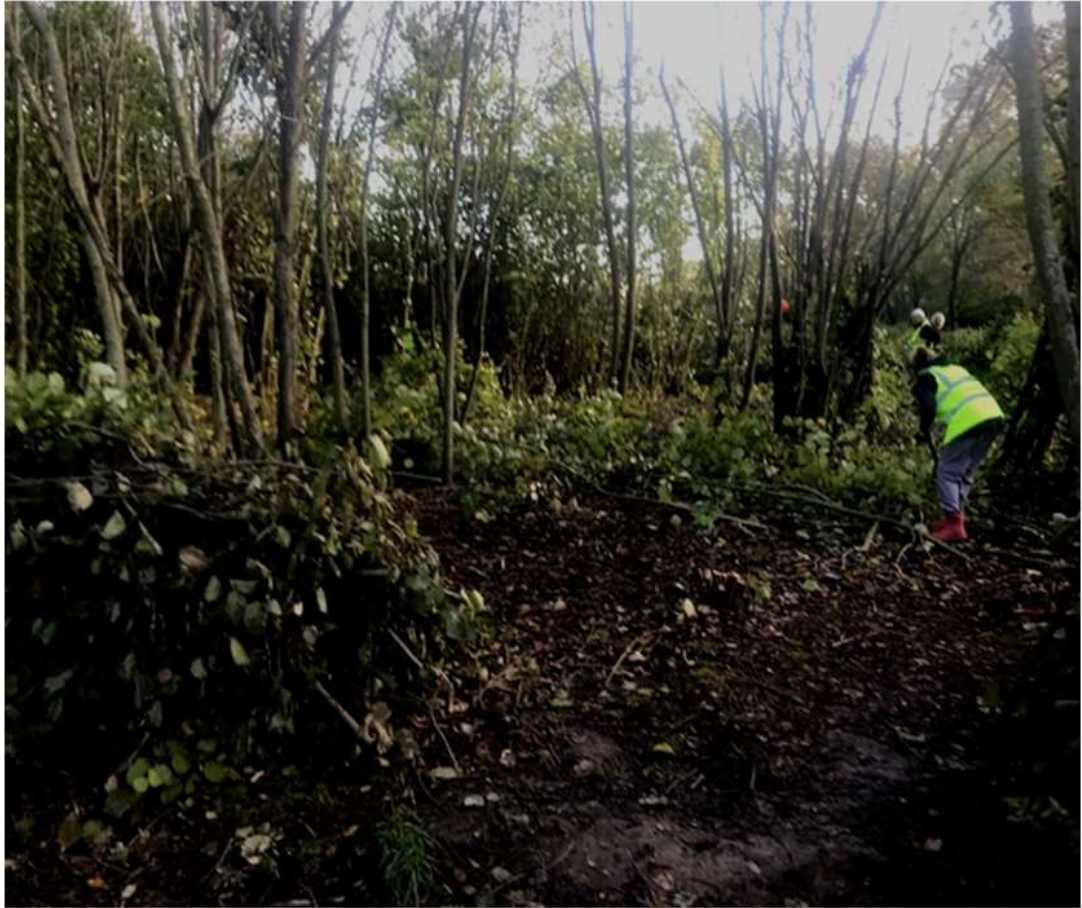
The hazel site, now overgrown, was looking a long way from being the rich habitat that it could become. But with vision, focused minds and willing hearts the volunteers set to task, learning old skills and ways of working, enriching both their lives and that of the park’s wildlife, and by February of 2022 the site looked very different.
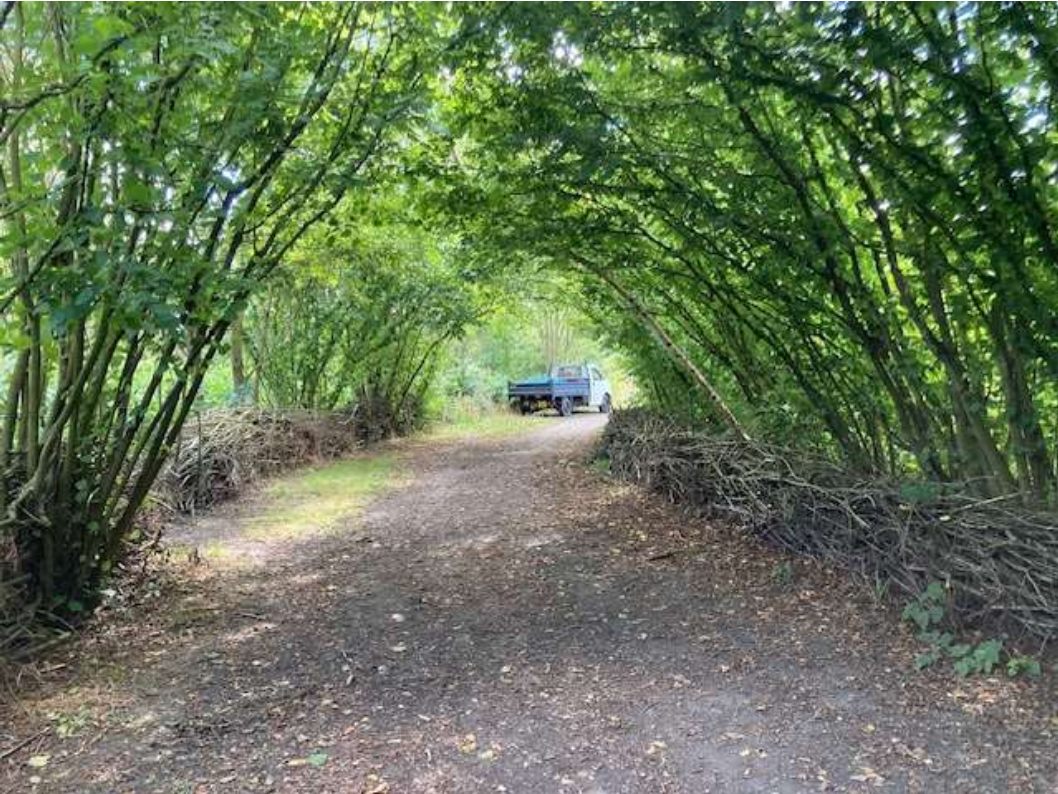
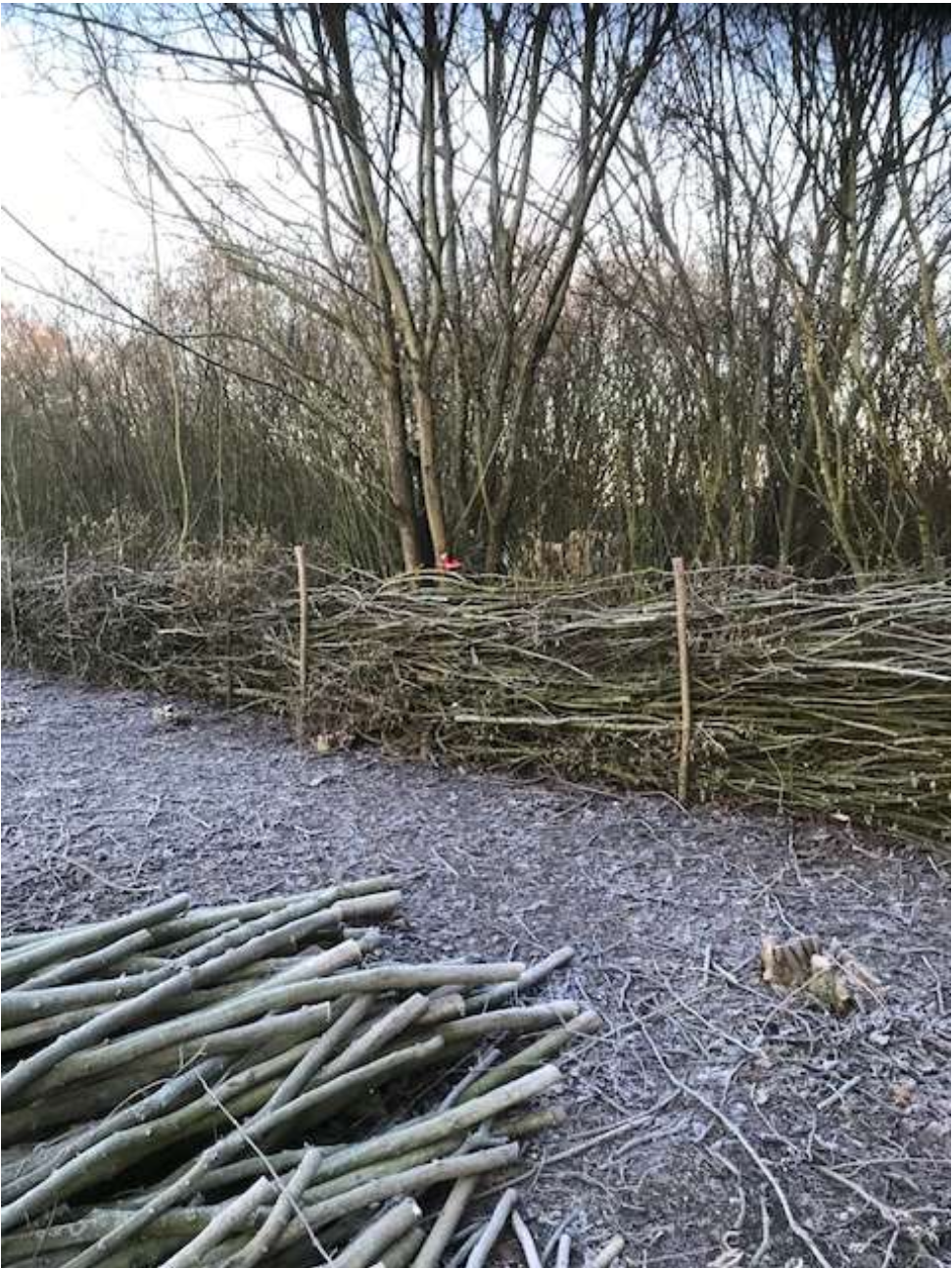
The waste material is made use of and a dead hedge secures the site.
Within a few years the hazel will be ready to be coppiced again, a small section at a time, providing a rich mosaic of habitats for wildlife.



Some years later, with the formation of the Friends of Cherry Orchard Country Park Conservation Volunteers, came an
opportunity to bring the community and its woodlands together again. It was hidden there, in the tangled briar of the now long over stood hazel copse.
With support from RDC, and the volunteers being guided by Richard Bond of Canopy Conservation, a planned coppice cycle was agreed and work on the first coupe began in the winter of 2021/22. The western and eastern outer edges of the site would be left as older coppice and thus give some protection from prevailing wind and connectivity to adjacent hedgerows.
The hazel site, now overgrown, was looking a long way from being the rich habitat that it could become. But with vision, focused minds and willing hearts the volunteers set to task, learning old skills and ways of working, enriching both their lives and that of the park’s wildlife, and by February of 2022 the site looked very different.
The waste material is made use of and a dead hedge secures the site.
Within a few years the hazel will be ready to be coppiced again, a small section at a time, providing a rich mosaic of habitats for wildlife.
Dead hedges – Using waste material to build a sturdy natural fence to protect the site and create a highway for wildlife to navigate safely around the new open ground and also opportunity for nesting and refuge. Branches are laid with care, with additional material being fed in the same direction and secured with hazel stakes.
Connectivity – Adjacent hazel and hedgerows are maintained by leaving some taller interconnecting trees, allowing particularly for any dormice to climb safely above ground to adjacent copses.
Economics of this process? Dead hedging takes no more time or labour than chipping the waste with a machine and the reduction in costs is huge, no expensive equipment, no fuel, specialized certificated training not needed, and health and safety risks, noise, and PPE costs are reduced to insignificance. With the added benefits of habitat creation and a reduced carbon footprint it makes good sustainable economic sense.
Habitat refuge – These were created in the open areas. A safe space for various species.


Products
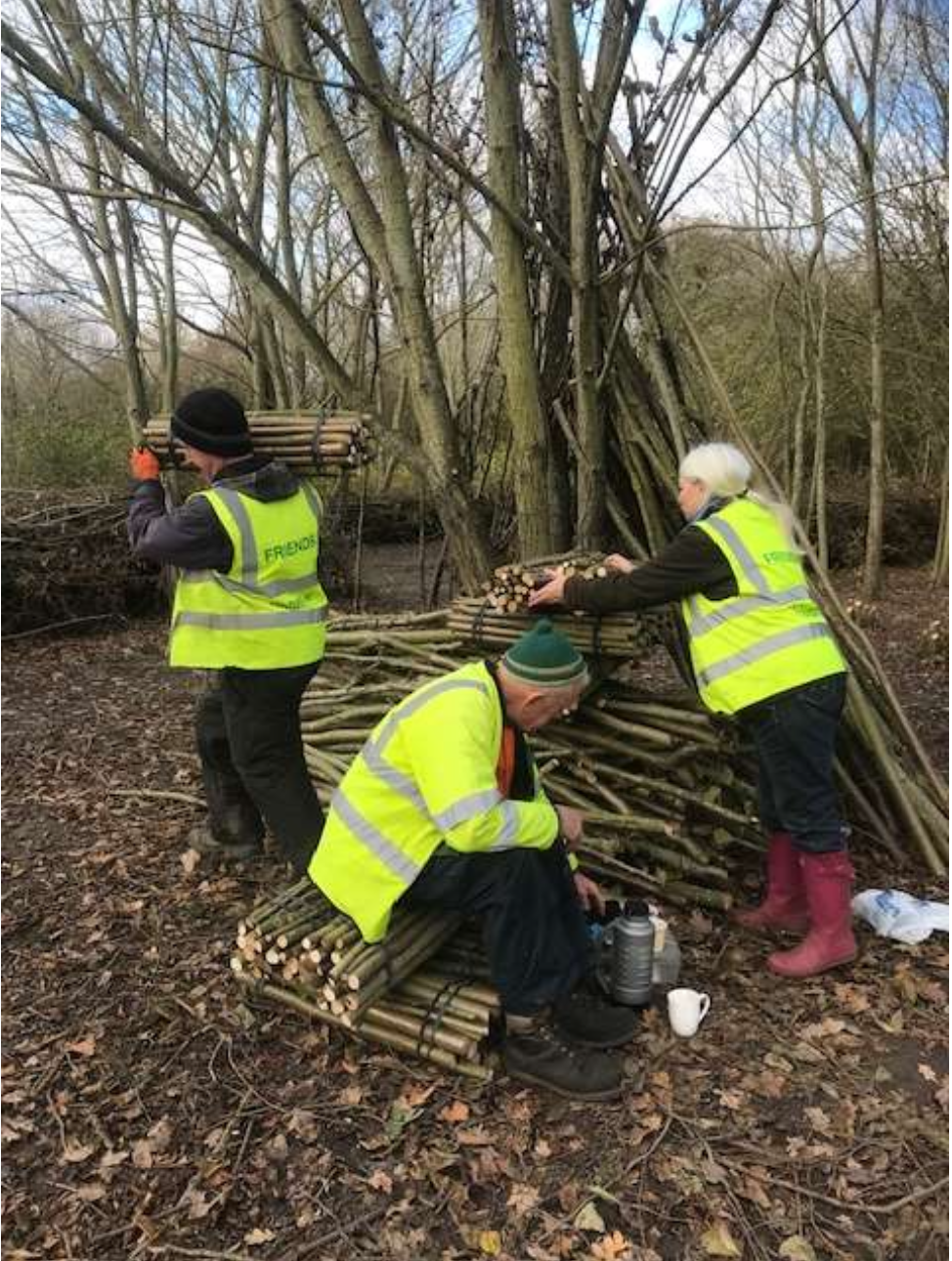
Some of the material was of use, making bundles of bean poles for local allotments and gardens, and some used to weave as hurdles for access points into the copse.
Further investigations locally to find crafts that could find use for the waste timber continued.
Faggots – Bundles of hazel twigs bound together used in the past as cheap fuel for baking and homes. Used now as part of water erosion flood defence systems. Production was considered but the labour intensity and logistics of moving the material at the time was counterproductive. A product to consider for the future?
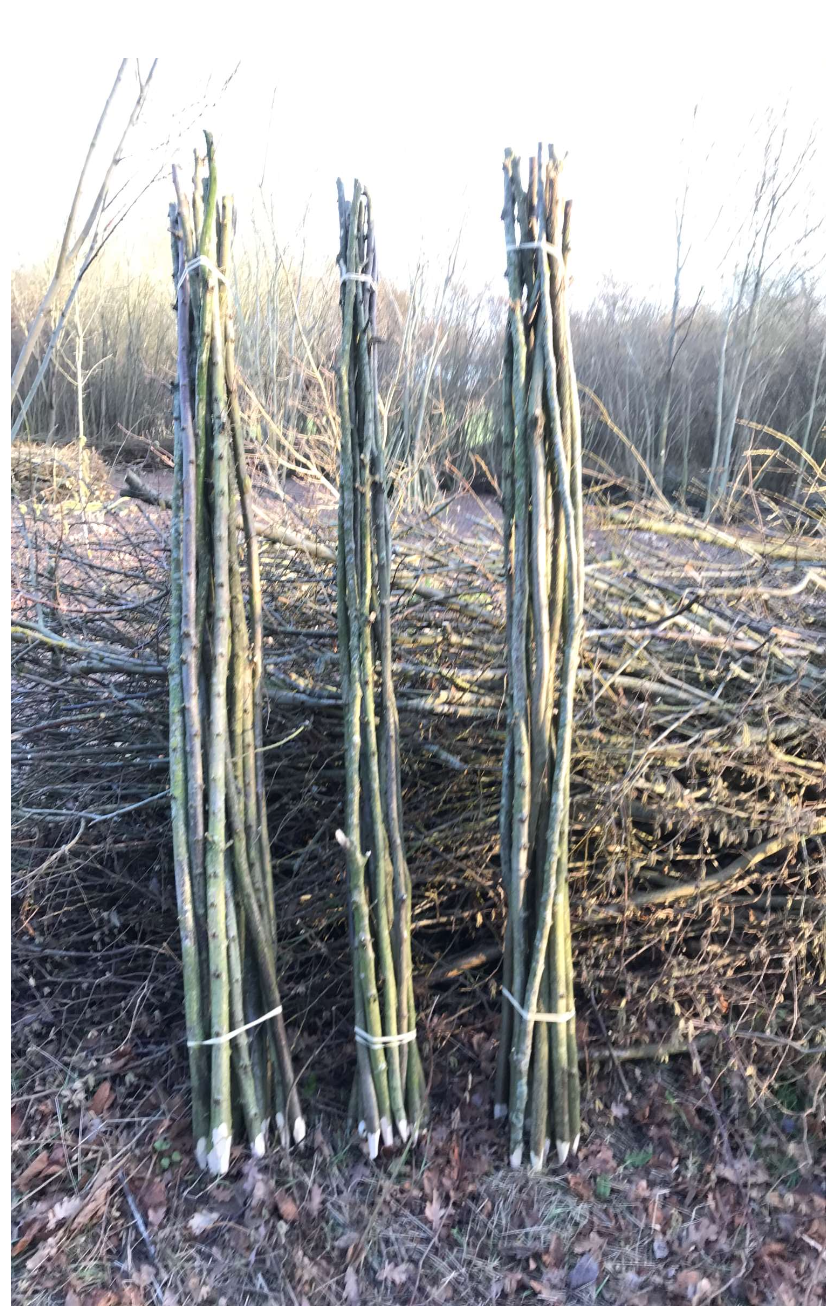
Thatching materials – Contact was made with a 5thgeneration local Essex thatcher, Steve Shelly. After a very friendly and informative chat, it was agreed that some of the hazel would be suitable for “gads”, straight round lengths of timber that are split along the grain to produce “spars”, the spars are pointed and twisted to from a U shape pin for fixing the layers of reed to a roof.
Steve informed us that sadly a decline in the management of Essex woodlands had led to imports now coming from Poland or the use of a plastic alternative!
Hedge stakes – Pointed stakes used to secure traditional laid hedges. A local section of hedge was to be laid by a contractor for Essex & Suffolk Water the coming winter and so another opportunity to connect with a local craft arose.


Steve Shelly with the twisted spars ready for thatching
Photo credit-www.thecoracle.com
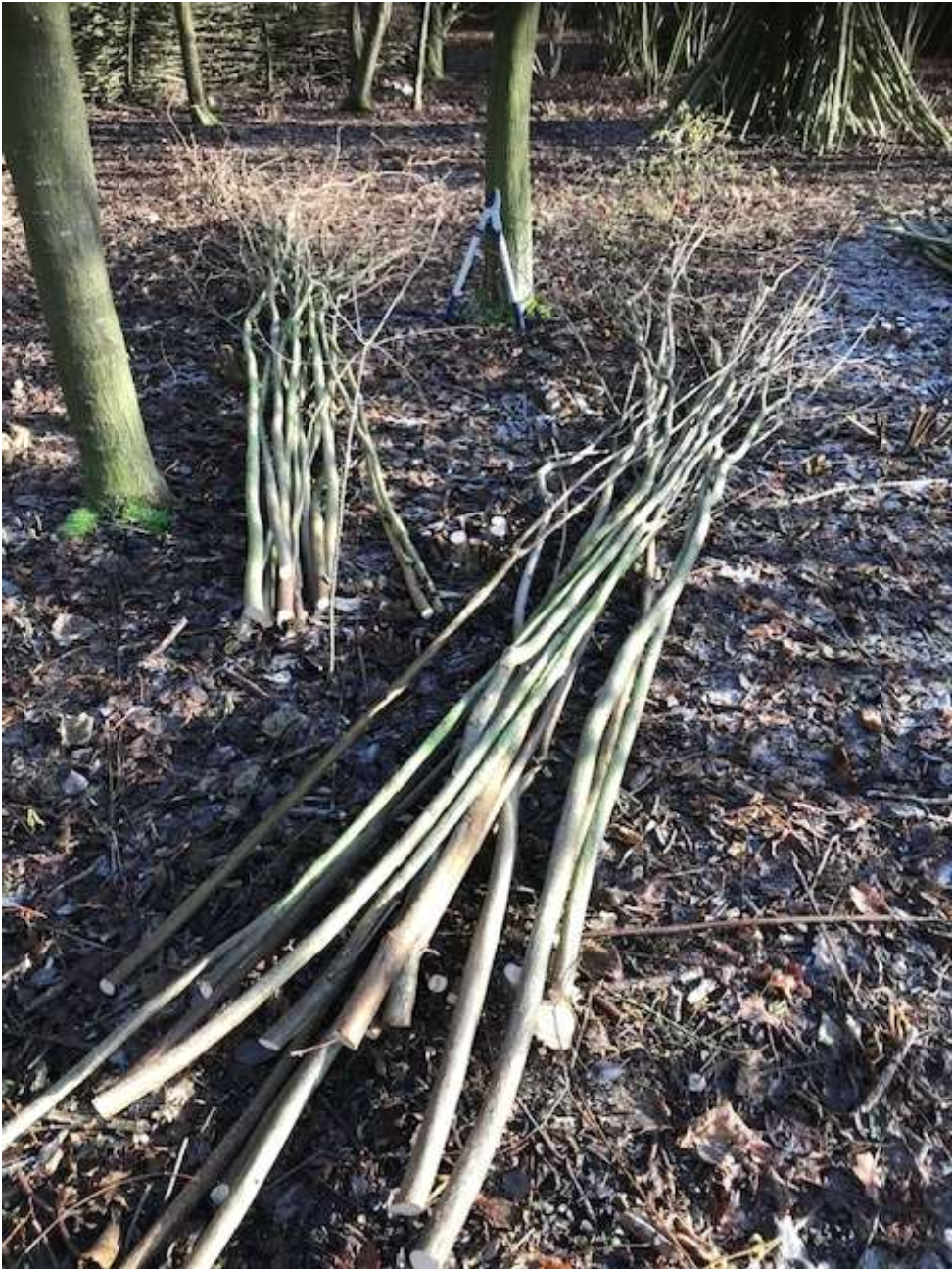
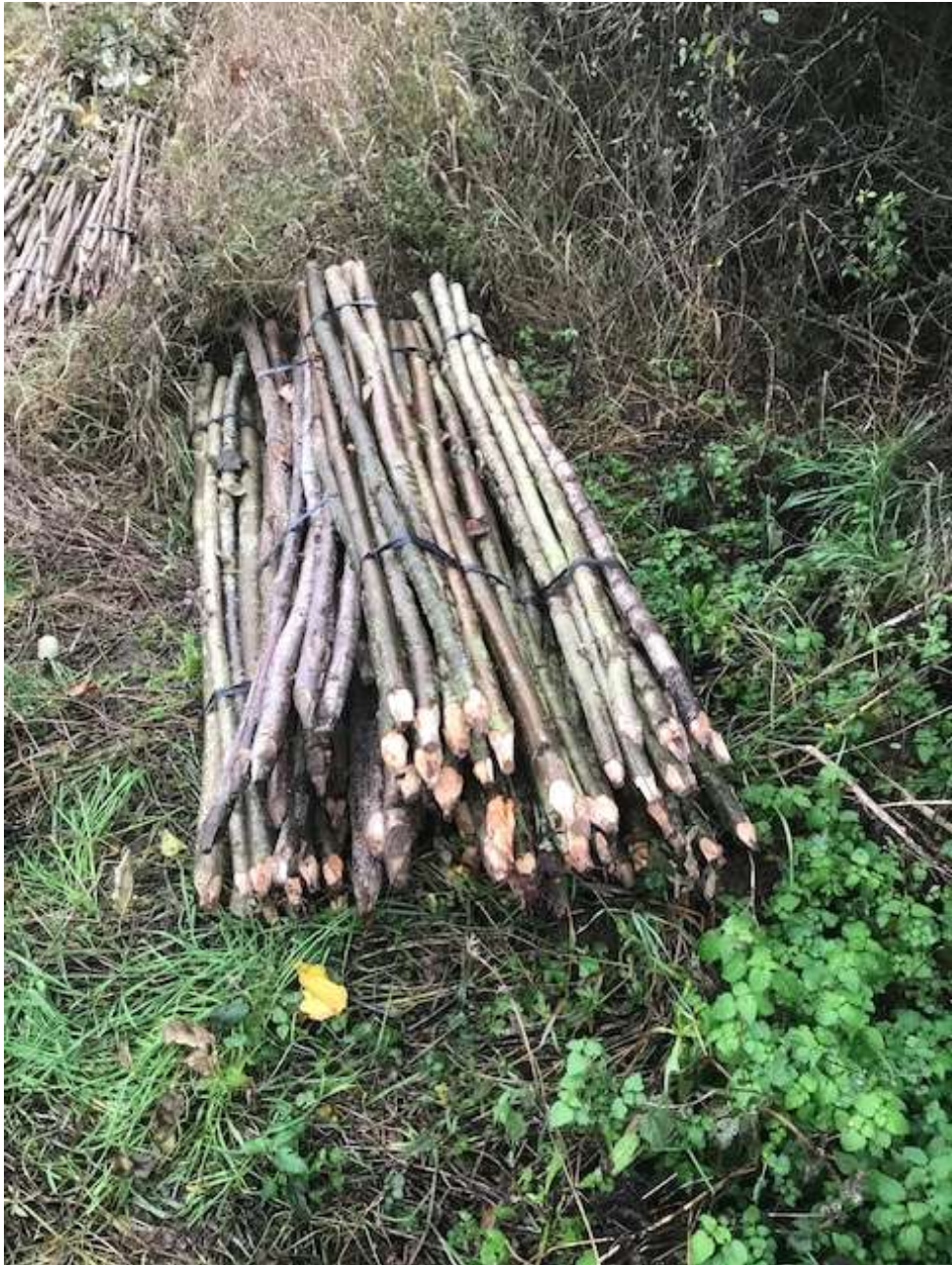


As part of the clearing process, as the hazel was cut, the volunteers set about selecting suitable timber to set aside for the creation of these products. With a view to continue this process for the coming years. The following spring the hazel stools began their new cycle of life.
It was viewed that if in some small way the hazel could be put to good use by supporting local crafts and in turn connecting people and place this was a good thing. In return for our waste product and a little time we were generously offered opportunities for demonstrations and talks about these crafts and were also remunerated by donations to the group to help pay for hand tools and gloves, etc. Making the project cost neutral, a benefit for both the Friends Group and RDC.
The energy of this group has created a small spark, insignificant perhaps, but incandescent, with potential to become a beacon for a more sustainable future for the park and Rochford district.
To walk in a landscape is one thing, to be part of it is something else…

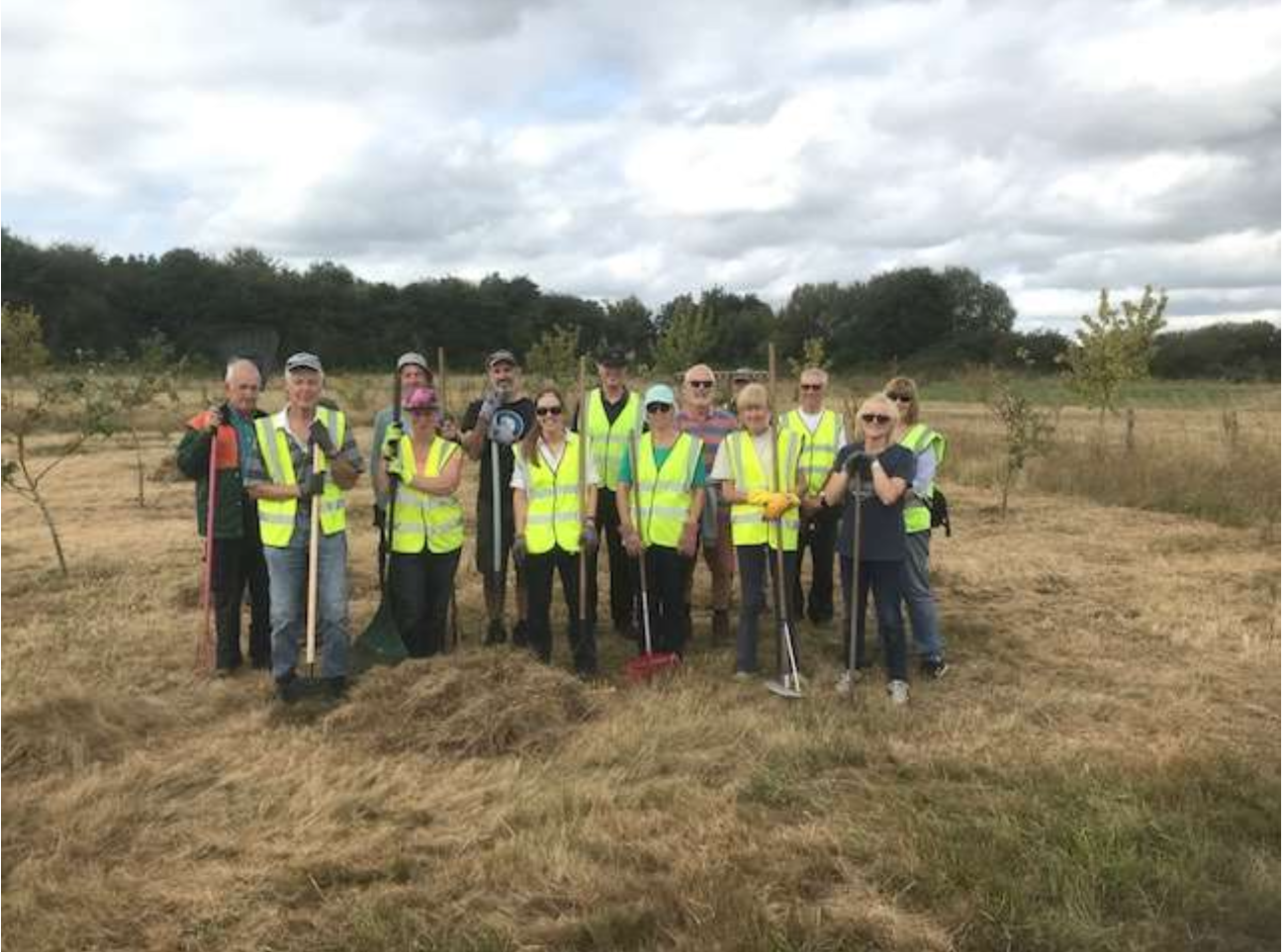
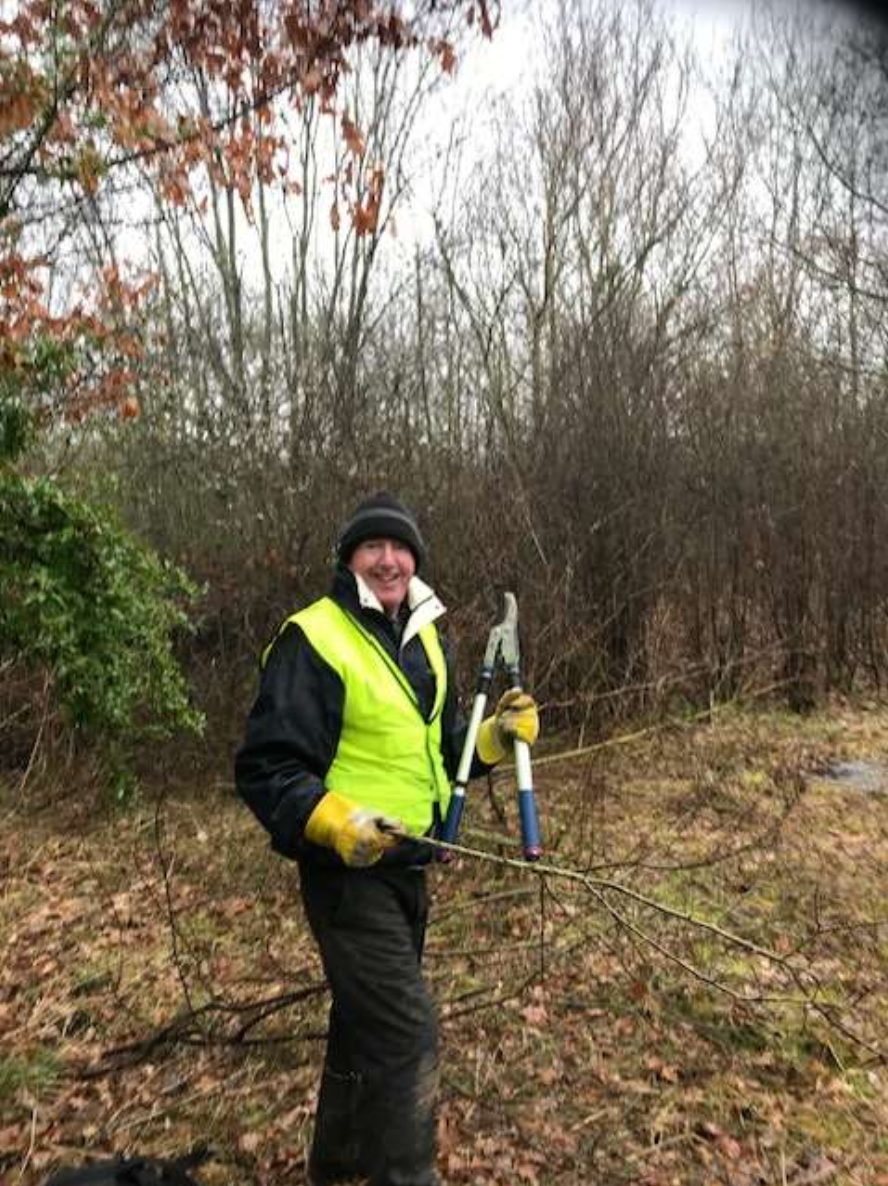
The Friends Group are most grateful for the ongoing hard work of the volunteers, the support of Rochford District Council, its councillors and the Open Spaces team enabling this project and the story to continue.
These pages would be blank without you!
Conservation Volunteers work in the Hazel Coppice Project

Hazel plantation | December 2025

Hazel Plantation | November 2025

Hazel Plantation | October 2025

Coppice Area Work | February 2025

Finishing the coppicing and hurdle making | April 2023

Coppice the Hazel Plantation | December 2022
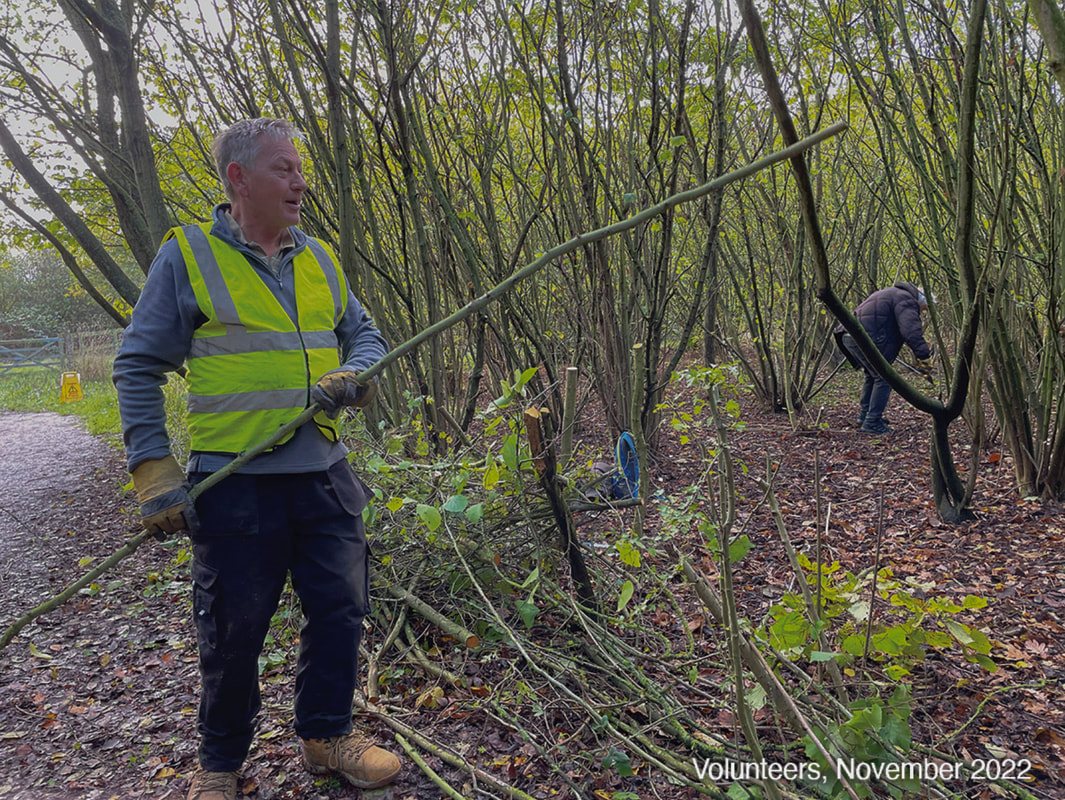
Coppicing starts in the Hazel Plantation | November 2022
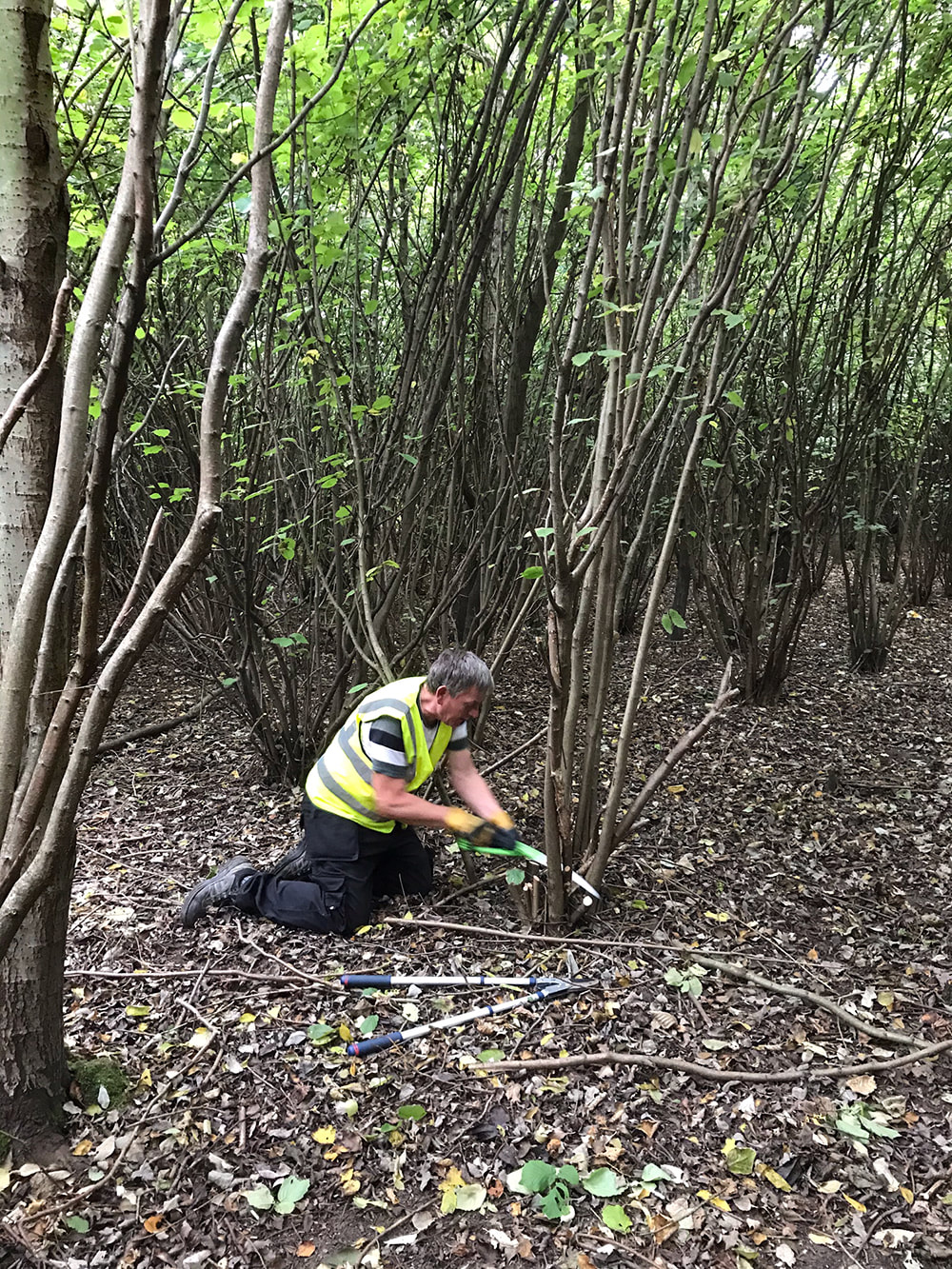
Coppicing in the Hazel Plantation | October and November 2021
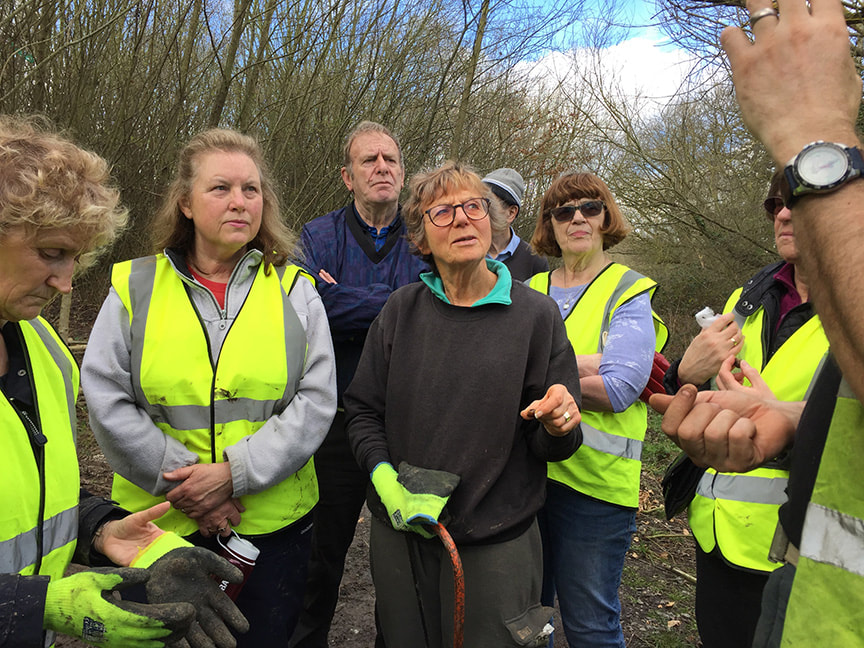
Coppicing in the Hazel Plantation | March 2020
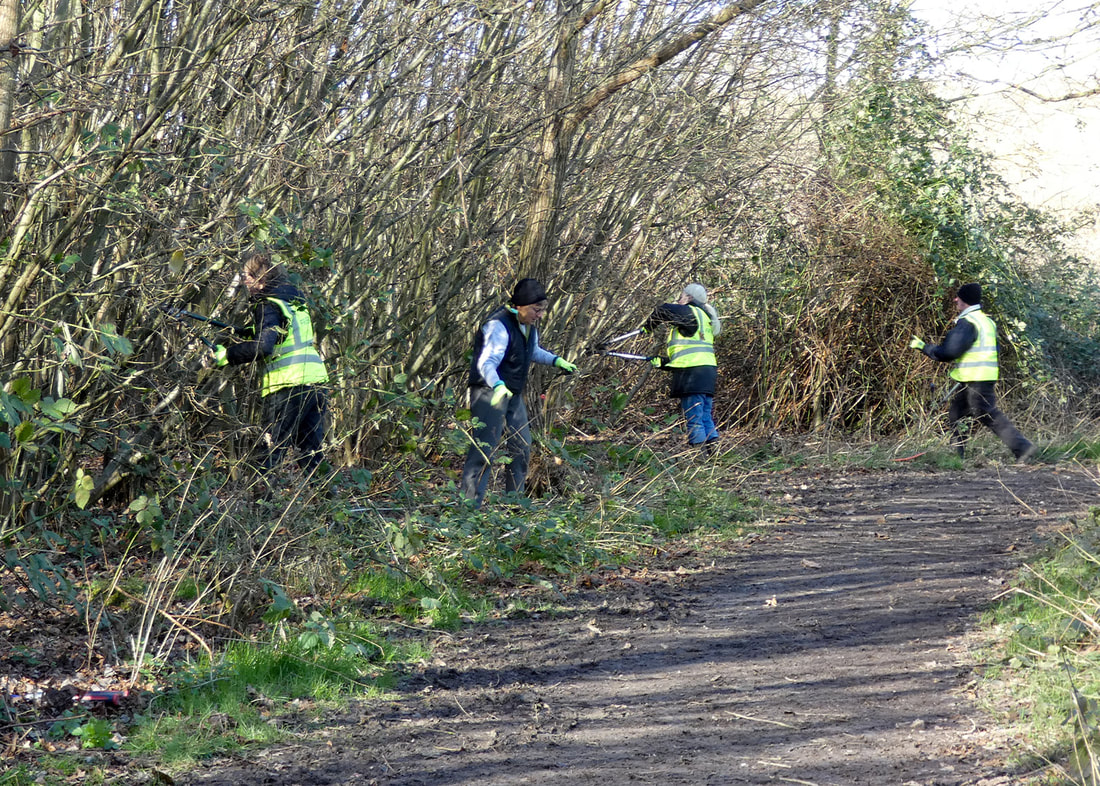
Coppicing | February 2020